


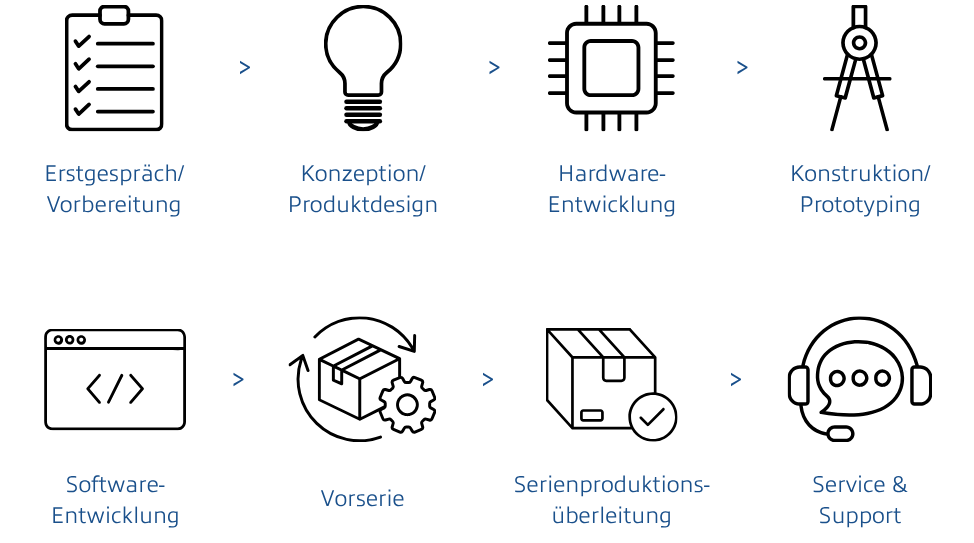

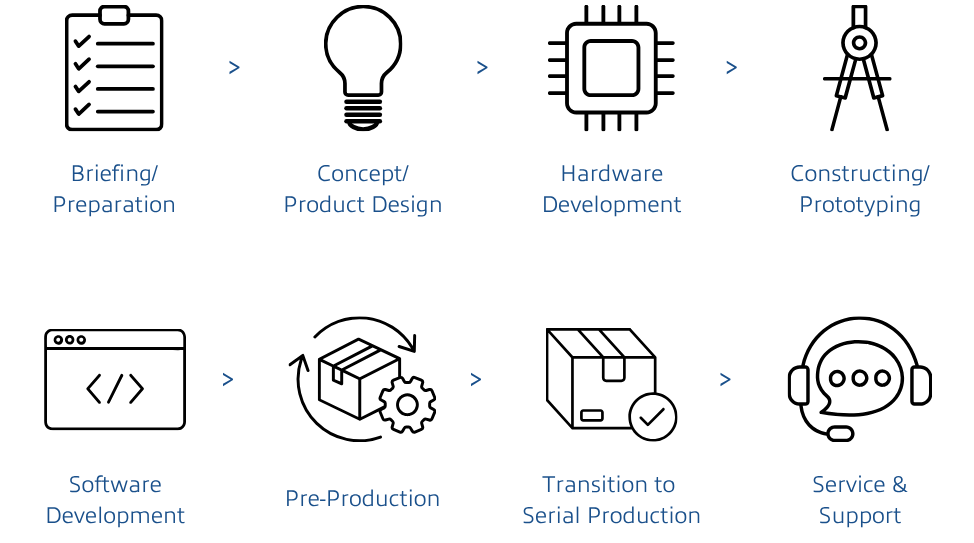
Briefing
Understand requirements, clarify the scope, set up a viable project

We begin with a structured preliminary discussion. Together, we clarify the objective the product is intended to fulfil, the technical and economic constraints involved, and the requirements that are crucial for its subsequent use.
This is not just a matter of functions, but also of the operating environment, interfaces, power supply, radio technology, operation, data flows, production volumes, regulatory requirements and target costs.
Typical content:
Initial consultation, definition of technical objectives, requirements analysis, initial feasibility assessment, system boundaries, project scope, timeframe, budget and prioritisation of the next steps.
Result:
A shared understanding of the project, a clear technical foundation and a defined framework for further development.
Concept
Requirements are transformed into a robust solution
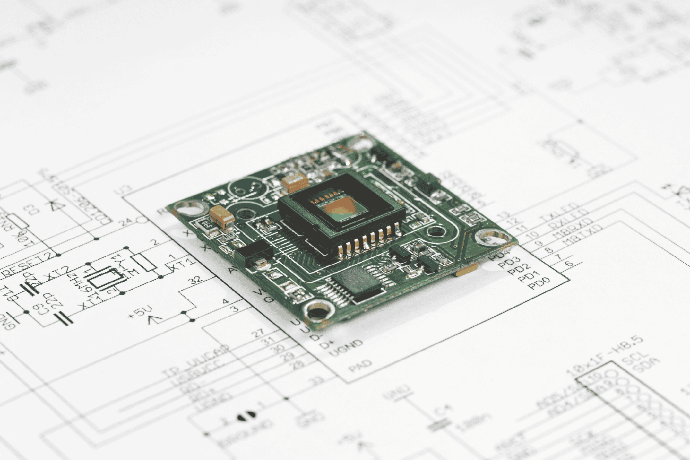
During the design phase, we translate the requirements into a technical product concept. We define the system architecture, key components, interfaces, data flows and possible technological approaches.
Depending on the project, we consider hardware, embedded software, cloud connectivity, apps and user interfaces as a whole. This allows dependencies to be identified at an early stage, such as those between the printed circuit board and the housing, firmware and the cloud, wireless technology and power requirements, or the operating concept and device functions.
Typical content:
Solution architecture, product design, block wiring diagram, technology selection, interface definition, risk analysis and preparation for certification, component selection, initial cost and effort estimates, and the drafting or refinement of a functional specifications document (FSD).
Result:
A clear technical concept as the basis for development, prototyping and subsequent industrialisation.
Hardware Development
Electronics and mechanics tailored to the specific application
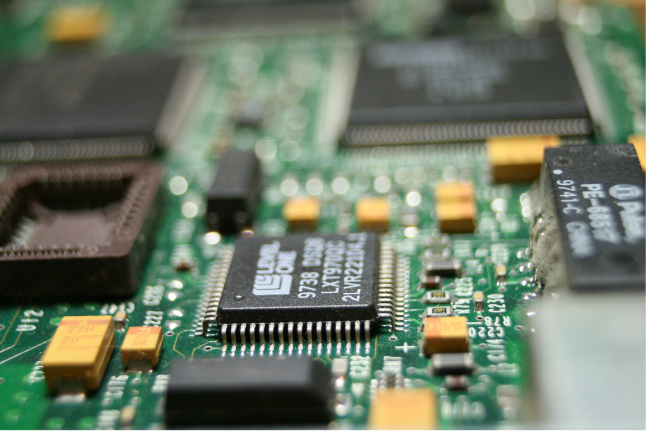
Hardware development forms the physical basis of the product. STRATUM 9 develops customer-specific electronics tailored to the application, subsequent manufacturing and the operating environment.
This includes circuit diagram design, printed circuit board (PCB) layout, PCB routing, component selection, interfaces, power supply, sensor technology, radio modules and mechanical requirements. In parallel, the enclosure design can be considered to ensure that the electronics, operation, assembly, protection requirements and manufacturing are all compatible.
Typical content:
Circuit diagram, PCB design, PCB layout, PCB routing, component selection, bill of materials, interface planning, power supply, enclosure design, manufacturing data and technical documentation.
Result:
A hardware platform suitable for development and prototyping, designed with functionality, manufacturability and future deployment in mind.
Constructing & Prototyping
PoC, prototyping, commissioning and testing
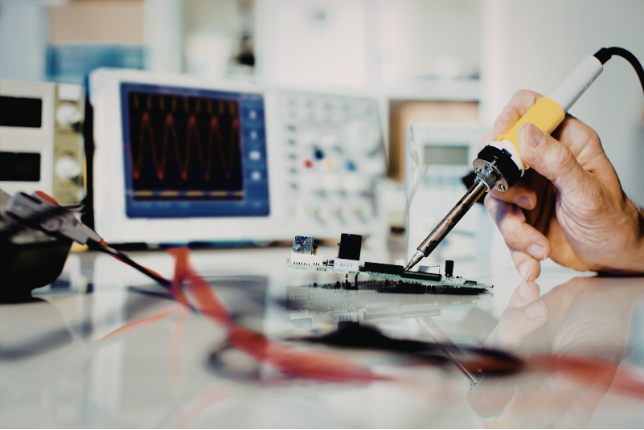
A prototype makes the idea tangible and verifiable. At this stage, we build proofs of concept, initial samples or near-functional prototypes. We then commission the hardware, test key functions and identify areas for optimisation.
The aim is to validate technical assumptions at an early stage, reduce risks and establish a sound basis for decision-making for the next stage of development.
Typical content:
Proof of concept, prototype production, component procurement, assembly, component placement, commissioning, electrical testing, functional tests, measurements, fault analysis and design modifications.
Result:
A tested prototype that demonstrates whether the chosen approach works and identifies any adjustments that would be advisable before moving on to pre-production or series production.
Software Development
Embedded software, cloud, apps and user interfaces
Modern products are not created by hardware alone. It is the right software that makes devices intelligent, updatable, connectable and easy to use.
STRATUM 9 develops embedded software for devices and assemblies, as well as IoT back-ends, cloud functions, apps and user interfaces. In doing so, we ensure stable interfaces, a clean system architecture and close coordination between hardware and software.
Typical content:
Embedded software:
Firmware, device logic, drivers, communication interfaces, sensor and actuator connectivity, diagnostic functions, update mechanisms and system integration.
IoT and cloud:
Device management, data transfer, backend services, interfaces, data visualisation, alerting, user management and integration into existing IT or OT systems.
Apps and user interfaces:
Web applications, mobile apps, dashboards, user interfaces and service interfaces for users, operators or technical teams.
Result:
A software platform that enables the product to function, makes data usable and supports its operation in the field.
Pre-Production
Initial production runs under realistic conditions
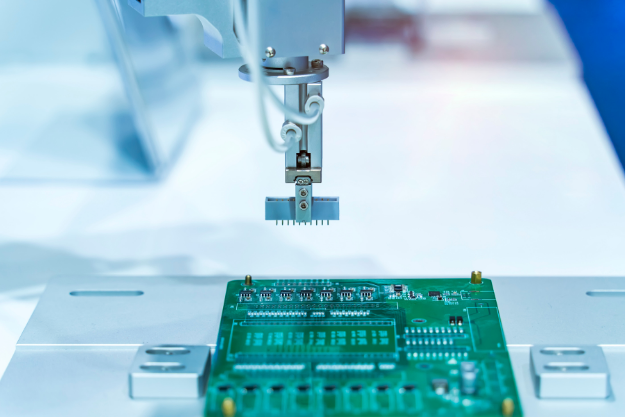
If a product is to be tested in limited quantities prior to series production, STRATUM 9 supports the pre-series phase. This involves manufacturing a specified number of units (e.g. 100) in advance to assess production processes, component availability, assembly, test procedures and in-the-field performance.
The pre-production run helps to identify any remaining technical and organisational risks before larger quantities are produced. It is particularly valuable when a product is to be used in industrial environments or where several technical disciplines are involved.
Typical content:
Pre-production planning, procurement, support with certification, production coordination, small-batch production, test procedures, functional tests, documentation, feedback from application or field testing, and optimisation prior to the start of series production.
Result:
A validated product version providing reliable insights for production, quality assurance and roll-out.
Transition to Serial Production
From the developed product to reproducible series production
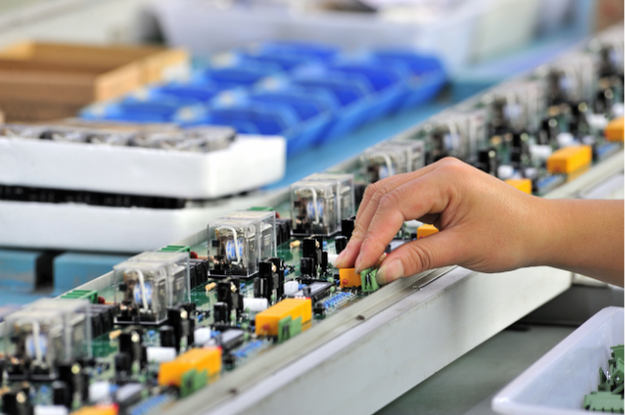
The transition to series production ensures that a working prototype or pre-series model is transformed into a product that can be reliably manufactured. To this end, we prepare technical documentation, manufacturing data, test plans and the necessary documentation.
Should certifications or proof of conformity be required, we will assist with the preparation and technical coordination. Depending on the project, STRATUM 9 will continue to coordinate and oversee production.
Typical content:
Production documentation, bills of materials, inspection specifications, test plans, production data, coordination with manufacturing partners, start-up of series production and quality feedback.
Result:
A product that has been properly handed over and can be manufactured, tested and delivered consistently.
Service & Support
Support and further development following the project launch

Once development is complete, the actual product life cycle begins. STRATUM 9 provides support with technical queries, fault analysis, software updates, product optimisation and further development.
This enables products to be improved whilst in the field, new requirements to be incorporated, and technical changes to be implemented in a controlled manner. This ongoing support is particularly important for IoT, embedded and industrial products, as the hardware, software, cloud and operating environment must work together seamlessly at all times.
Typical content:
After-sales support, technical analysis, firmware and software updates, product optimisation, functional upgrades, variant development, obsolescence assessment and long-term technical support.
Result:
A product that has not only been developed, but can also be supported and further improved throughout its life cycle.